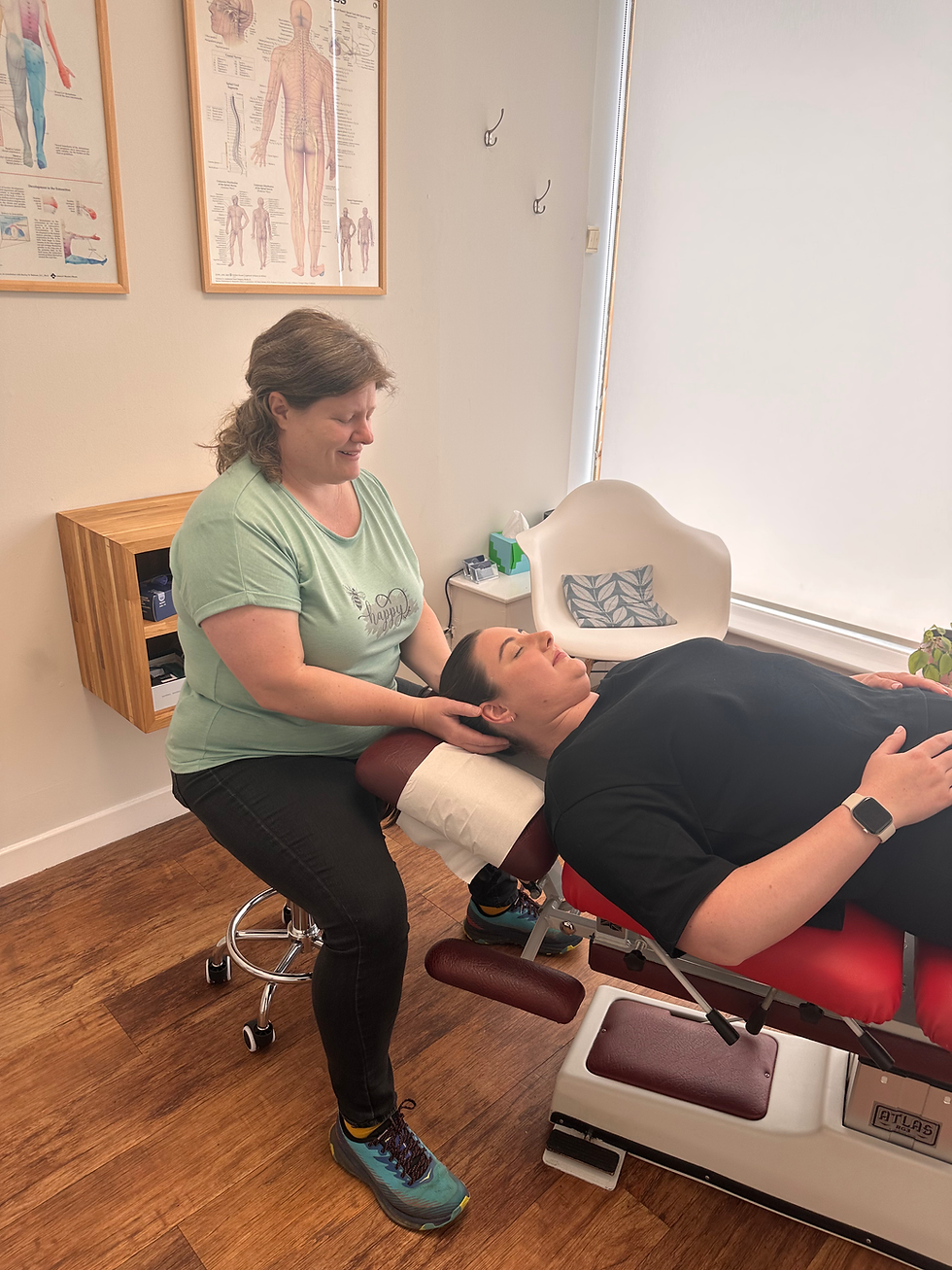
Cortisol and Sleep: Why Stress Can Keep You Awake

“I slept so well after my treatment’” is one of the most rewarding things a Chiropractor gets to hear from patients when seeing them for Chiropractic treatment. One of the reasons for this is that it has to do with a hormone called cortisol.

How Cortisol Normally Works
Cortisol is produced by the HPA axis and follows a strong circadian rhythm. It rises sharply in the early morning to promote alertness and get you up and going. Cortisol does this by increasing the level of available glucose in the bloodstream and increasing the use of glucose in the brain as a fuel source, boosting the heart rate and increasing blood pressure. This means that the body has the energy and mental acuity to deal with stress, whether the stress is from a real or perceived threat. Normally as the day progresses, cortisol gradually declines reaching its lowest point at night to allow sleep onset.
However, when cortisol runs wild, either because one is in physical pain, overstressed, anxious or overwhelmed at life, the mechanisms that make cortisol fantastic, can wreak havoc over the long term. Part of cortisol’s function in times of stress is also to curb digestion, appetite, reproduction, immune system function, repair and growth systems, along with changing the way the brain perceives fear and governs one’s frame of mind and drive. All of these are great stuff if under a pressing deadline for work, in acute pain or being chased by a ravenous tiger, but not over the long term. The body’s stress response mechanism will react the same, each and every time to stresses by releasing cortisol no matter what the stressor is.
How Cortisol Affects Sleep
High evening cortisol makes it harder to fall asleep and stay asleep. With chronic stress or pain the cortisol curve flattens which keeps levels elevated at night and causes fragmented sleep and non-restorative sleep. Poor sleep itself raises cortisol, creating a self reinforcing stress sleep loop.

How Chiropractic can Help
So, coming back to what Chiropractic is all about. By treating the spine and taking pressure off the nervous system as well as reducing stress/pain on the body by correcting imbalances, decreases the stress response, which in turn, turns down the volume button of cortisol in the body. Less cortisol when it’s not needed, allows the body to continue flourishing with health and wellness. Simply put, better brain-nerve-body communication = less cortisol.
Chiropractic can assist with optimising repair in the body, lessening stress and better-quality movement and sleep.
Other tips to help lower and Improve Sleep
1. Morning Light; Consistent Wake Time Bright light within the first hour of waking anchors the cortisol rhythm. A fixed wake time stabilises the daily cortisol curve.
2. Evening Cortisol Suppression Dim lights, no work, and no doomscrolling in the last hour before bed. Avoid late exercise and psychological stressors.
3. Stress Reduction Practices
Mindfulness, meditation, and moderate exercise lower cortisol.
Managing chronic stress is essential to restoring the rhythm
Maintain a regular sleep schedule.
Keep the sleep environment dark, cool, and quiet.
Avoid caffeine late in the day.
Treat the body well and it will serve you well.
Here’s to a better night's sleep!
Written by Dr Brenda Ratzeburg,
Doctor of Chiropractic