


Small Recovery Steps That Add Up Over Time

When it comes to long-term wellbeing, recovery is often thought of as something that only happens when something feels wrong. In reality, recovery tends to work best when it's a quiet, regular part of your routine rather than simply a reaction to discomfort.
Small recovery habits, practised consistently, can help reduce the gradual build-up of tension that comes from work, training, and everyday life. These habits don't need to take much time or feel complicated to be helpful.
Ignoring early signs of tightness or fatigue is easy, especially during busy periods or when motivation is high. Over time, however, those small signals can accumulate and begin to influence how comfortable or confident movement feels.
Listening to Your Body Early
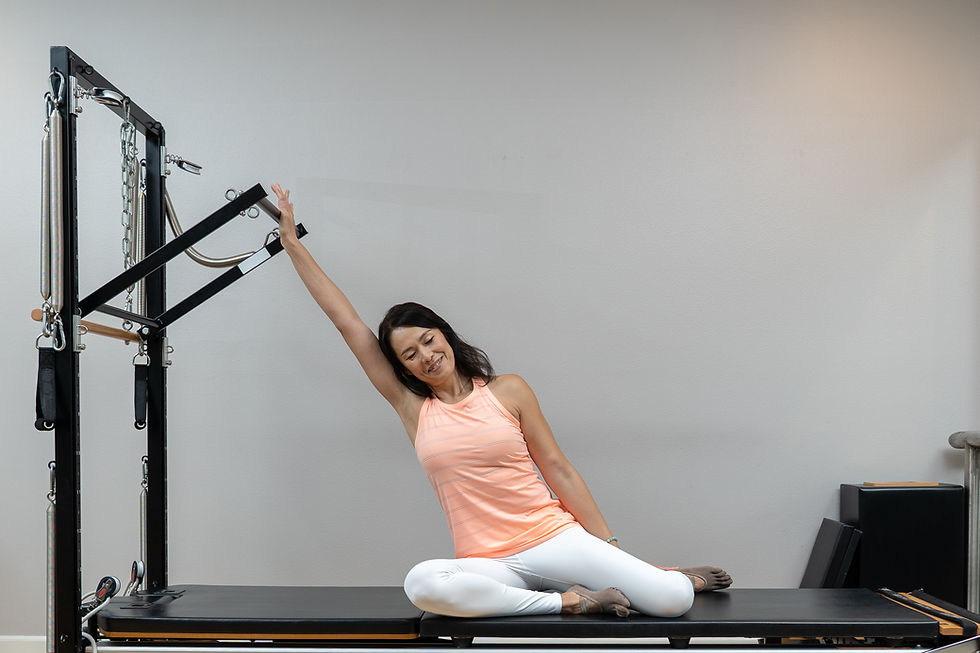
Checking in with your body regularly allows you to respond earlier. Gentle movement, stretching, changing position, or slightly adjusting your routine can all support comfort before strain becomes more noticeable.
These check-ins don't have to be formal. Noticing how your back feels after a day at work, how your legs feel after training, or how your shoulders feel while using a phone or laptop can be enough to guide a small, supportive change.
Recovery, Performance, and Everyday Energy
Recovery also plays a role in performance and day-to-day energy levels. When tissues are given time to settle between demands, movement often feels smoother and more controlled, and it can be easier to stay consistent with the activities you enjoy.
Building in brief pauses, lighter days, or alternative activities can help your body adapt over the long term. Rather than losing progress, these gentler periods often provide the foundation that makes ongoing progress possible.

How Sports and Remedial Massage Fits In
Sports and remedial massage can support this process by helping manage ongoing tension and encouraging relaxation in areas that are repeatedly loaded. It can also offer an opportunity to focus on how specific regions of your body are coping with work, sport, or other commitments.
During a session, noticing which areas feel particularly tight or sensitive can help guide where you might want to give a little more attention in your own routine. This can make home recovery habits feel more relevant and personalised to your everyday life.
Massage works best alongside regular movement, adequate sleep, and sensible recovery habits, rather than instead of them. Thought of this way, it becomes one part of a broader, long-term approach to looking after your body.
Small Steps, Long-Term Impact
Longevity isn't built through extremes or all-or-nothing efforts. Small, steady recovery steps, repeated over months and years, help support comfortable movement and resilience in the long run.
If you're thinking about how you'd like your body to feel not just this month, but in the years ahead, it can be useful to start with one or two recovery habits that fit naturally into your current routine. These can always be adapted as your circumstances change.
Over time, it's often these quieter decisions that have the greatest impact. A few minutes of movement, a short stretch, a regular walk, or periodic massage can all contribute to a body that feels more supported as the seasons, and life's demands, shift.
Ready When You Are
If you're thinking long-term about how your body feels and moves, sports and remedial massage can sit alongside your own steady recovery habits, supporting comfort around work, sport, and daily life.
Written by Finn Elias-Schofield, Sports and Remedial Massage Therapist

